
Blond Capuchin Monkey Project
Reconnecting the forest in Mamanguape, Paraíba, so one of Brazil's rarest primates can thrive.
A monkey found nowhere else
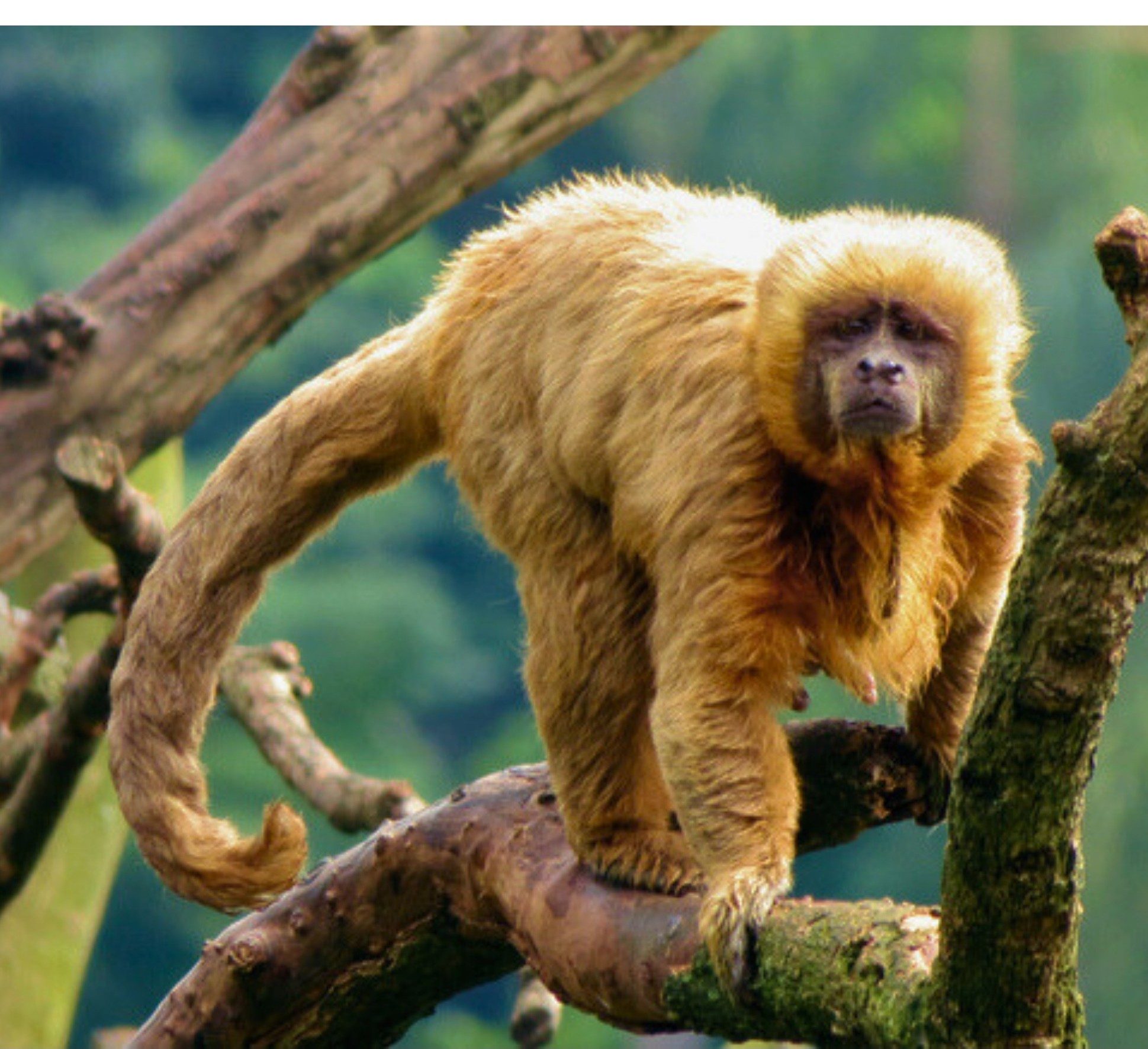
The blond capuchin is named for its golden fur. It lives only in the coastal Atlantic Forest of northeastern Brazil, where clearing for farmland has left its habitat in small, separated patches.
Known to science for centuries only from old descriptions, the blond capuchin was rediscovered in the wild in 2006.
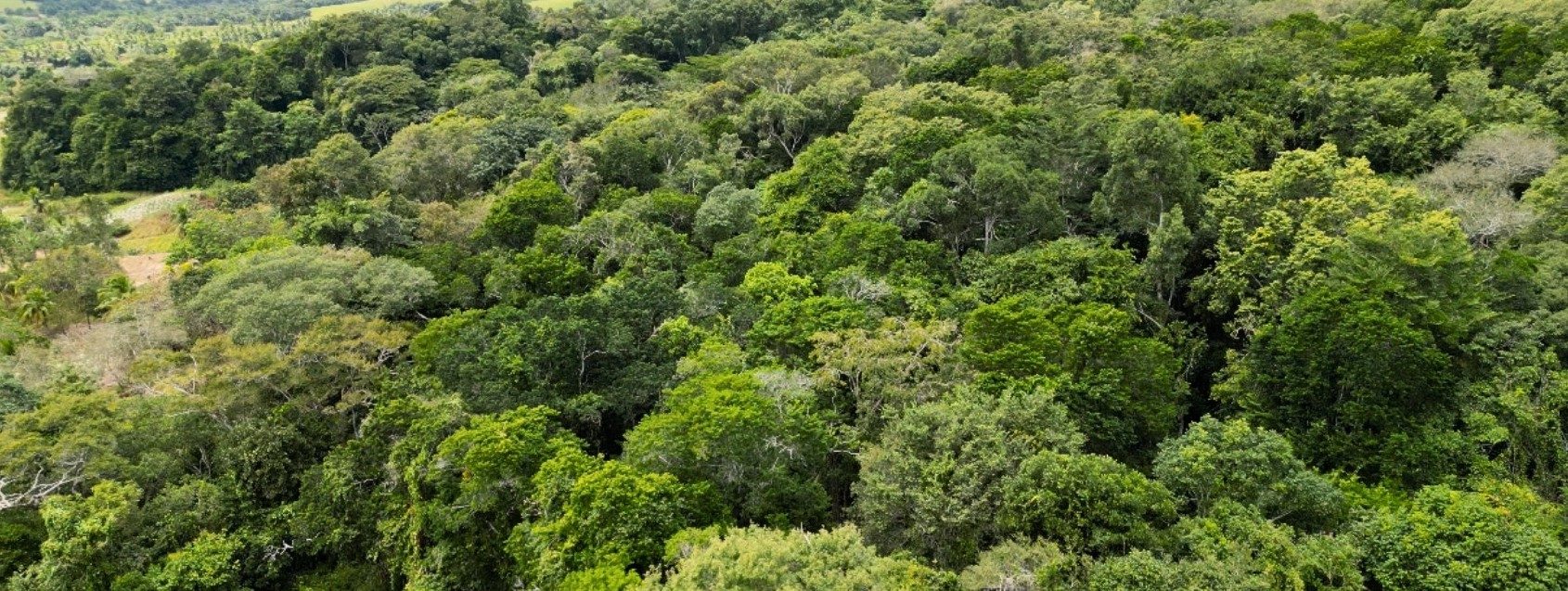
Isolated groups can't find food, mates or safe routes between patches. Planting native trees between those fragments builds corridors that let the population move, mix and grow again.
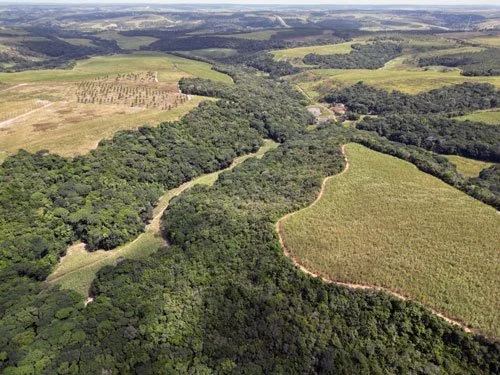
Cleared land and standing forest
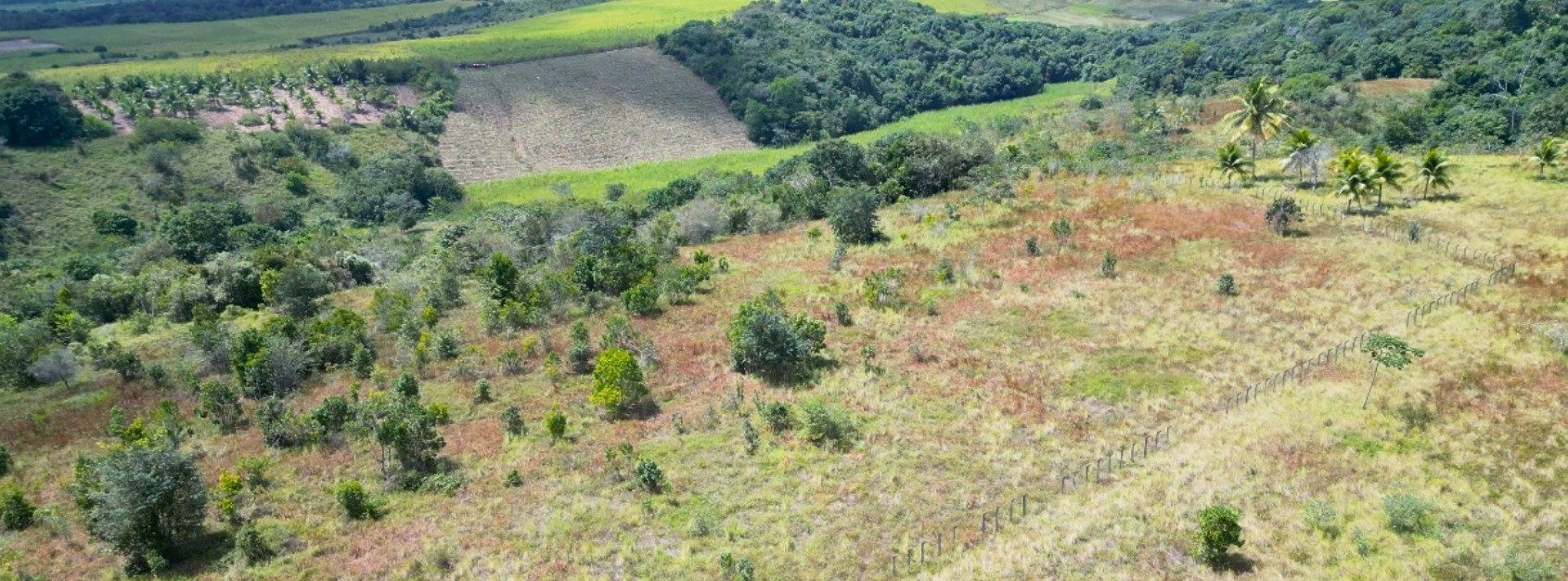
Much of the land around the remaining forest has been cleared for pasture and crops. Native trees planted in these gaps grow back into connected forest the monkeys can use.
What we are restoring
The project is run with the Paraíba State Secretariat for Environment and Sustainability (SEMAS-PB), which provides technical and institutional support.
Why it matters
- Reconnects isolated forest fragments into ecological corridors
- Restores habitat for the blond capuchin and many other species
- Growing forest absorbs carbon from the atmosphere
- Creates local work in planting and seedling care
Who makes it happen
Restoration lasts when the people nearby are part of it.
- SEMAS-PB, the Paraíba State Secretariat for Environment and Sustainability
- AFINK, an organization focused on community-based reforestation
- Indigenous and Quilombola communities who take part in planting and care
In the field
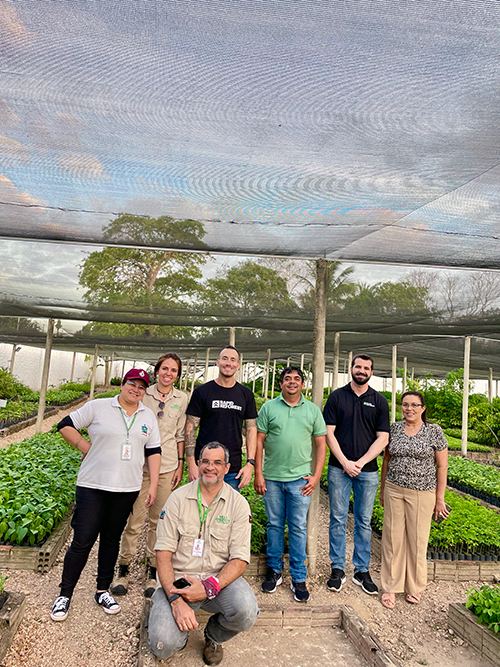
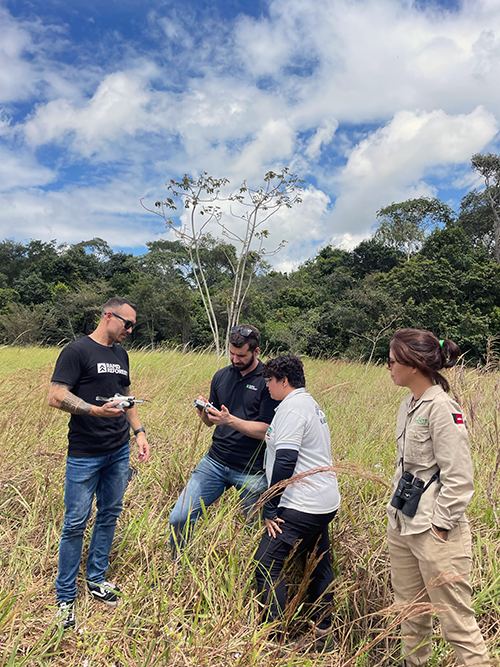
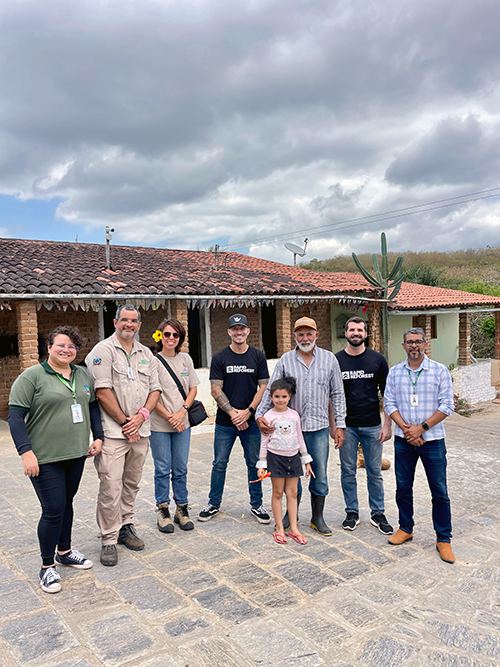
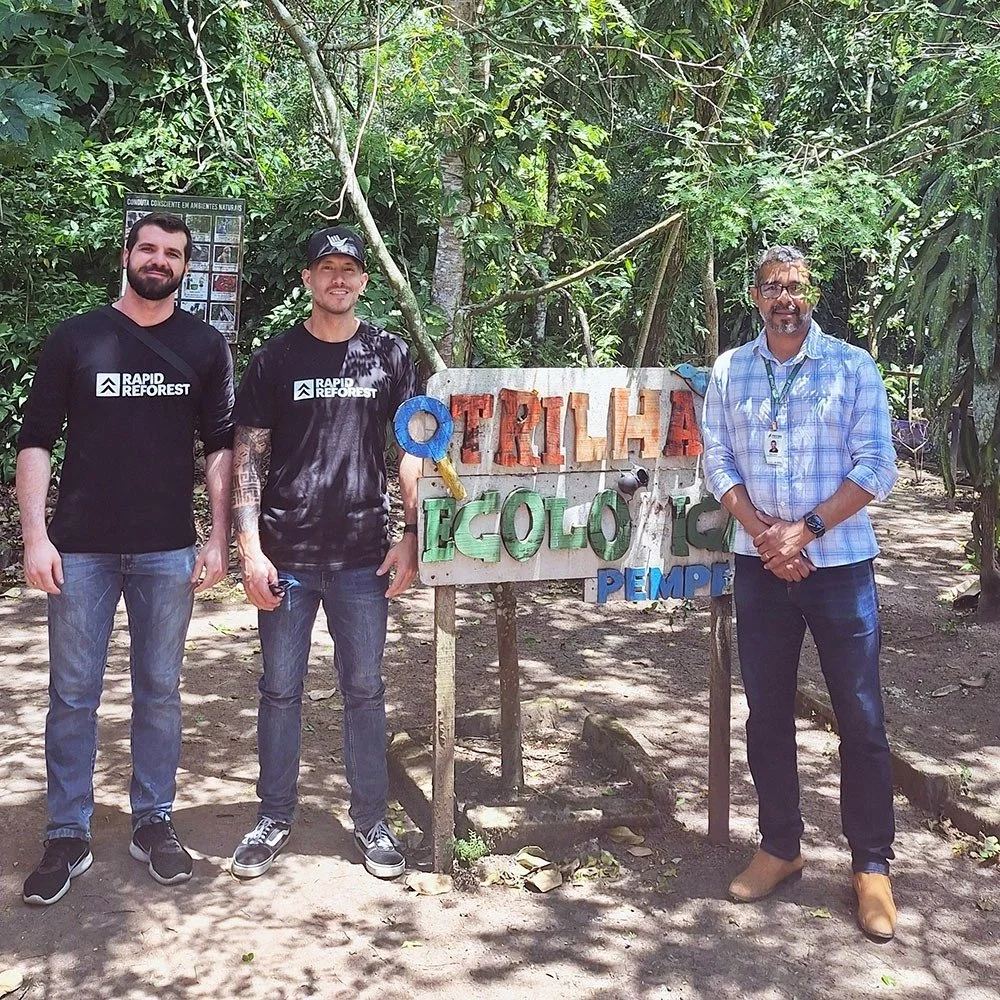
Project partners



Help reconnect the forest
Companies can fund native trees in this project to help balance their carbon footprint.