
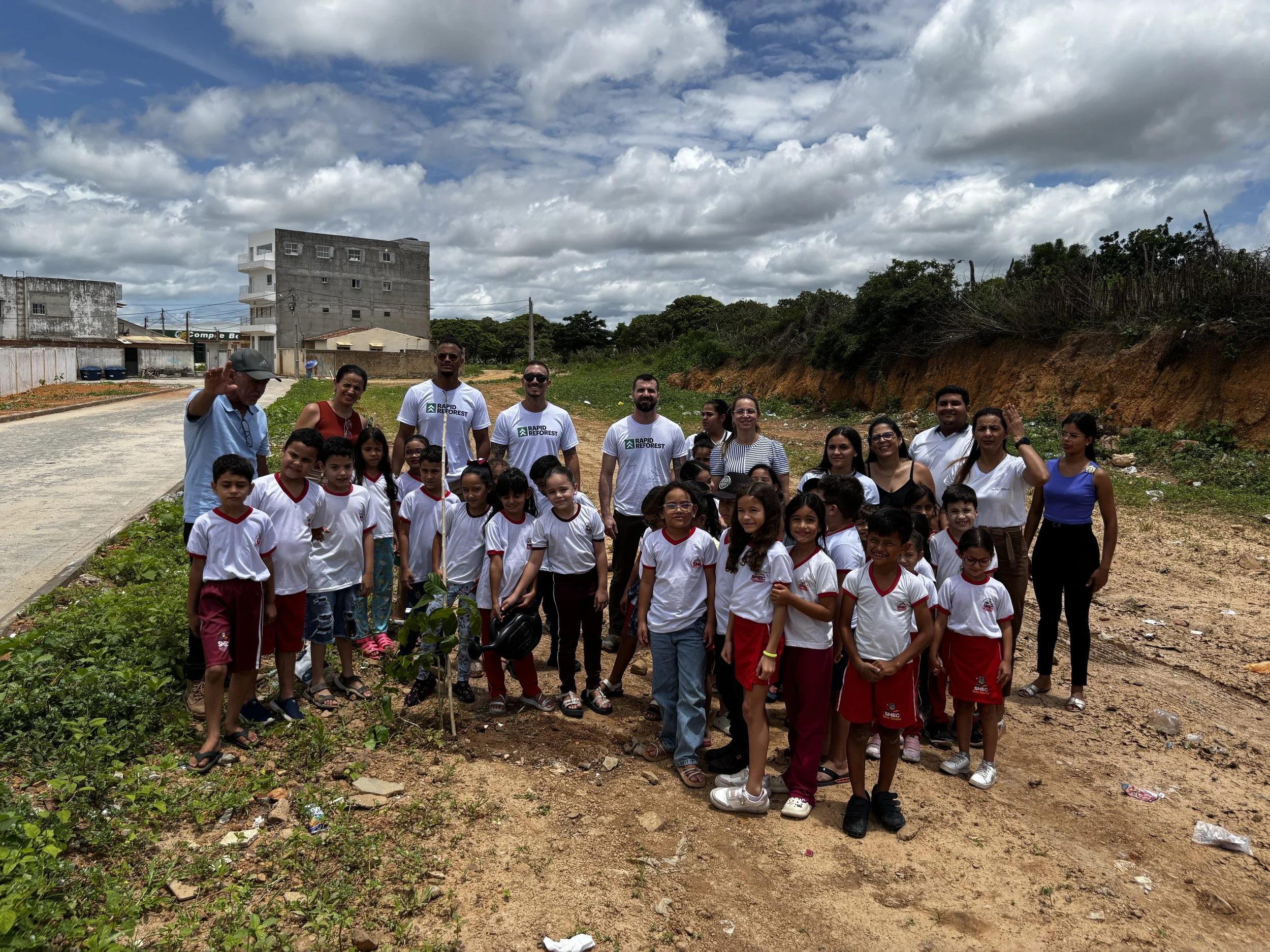
Reforesting Santa Teresinha: Bringing Trees Back to Pernambuco

When roads went in, trees came down. We're putting them back.
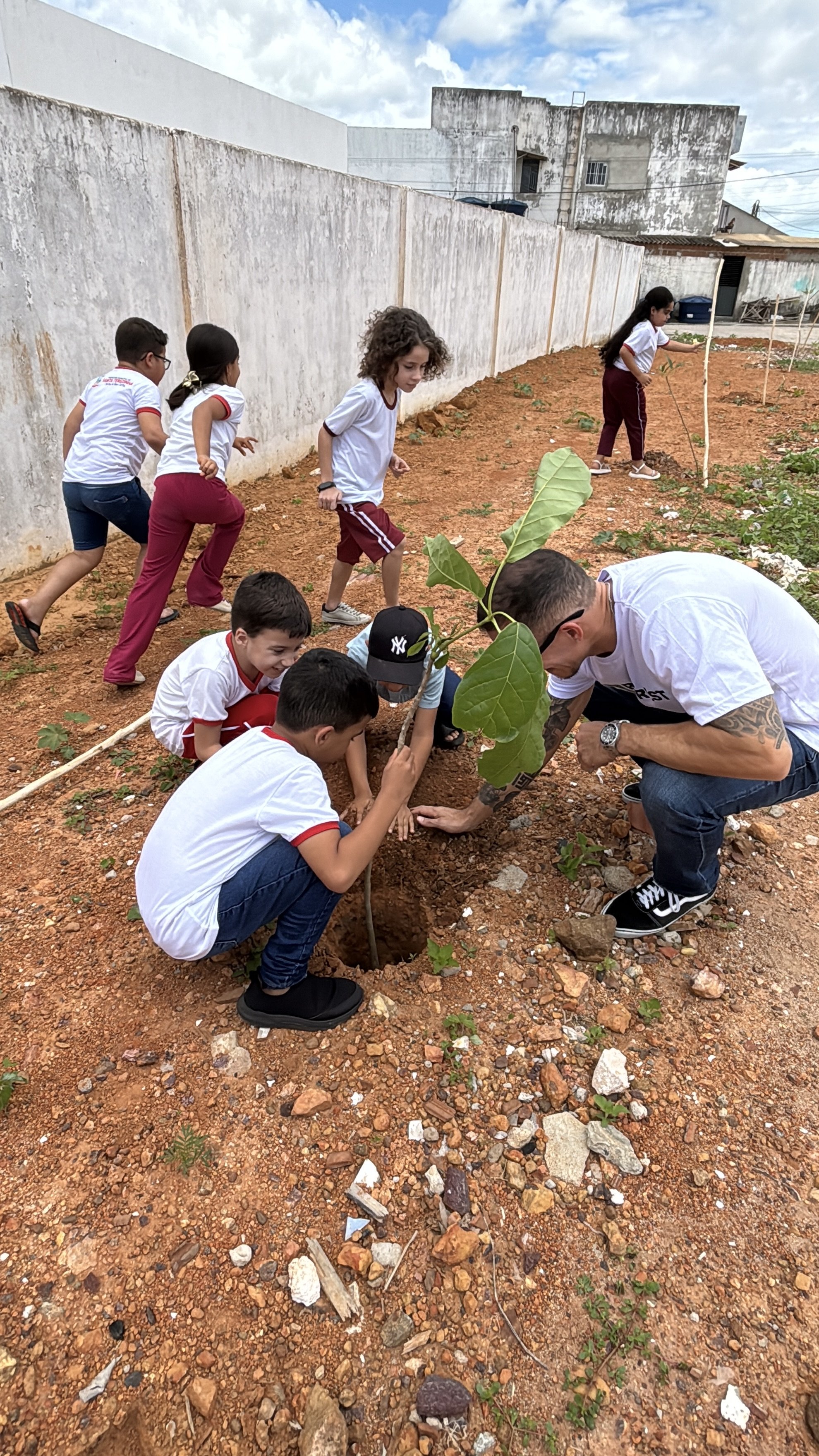
In the city of Santa Teresinha, Pernambuco, road paving projects removed trees that had stood for generations — shading streets, cooling neighborhoods, and supporting local wildlife. Rapid Reforest is on the ground replacing what was lost, one native tree at a time.
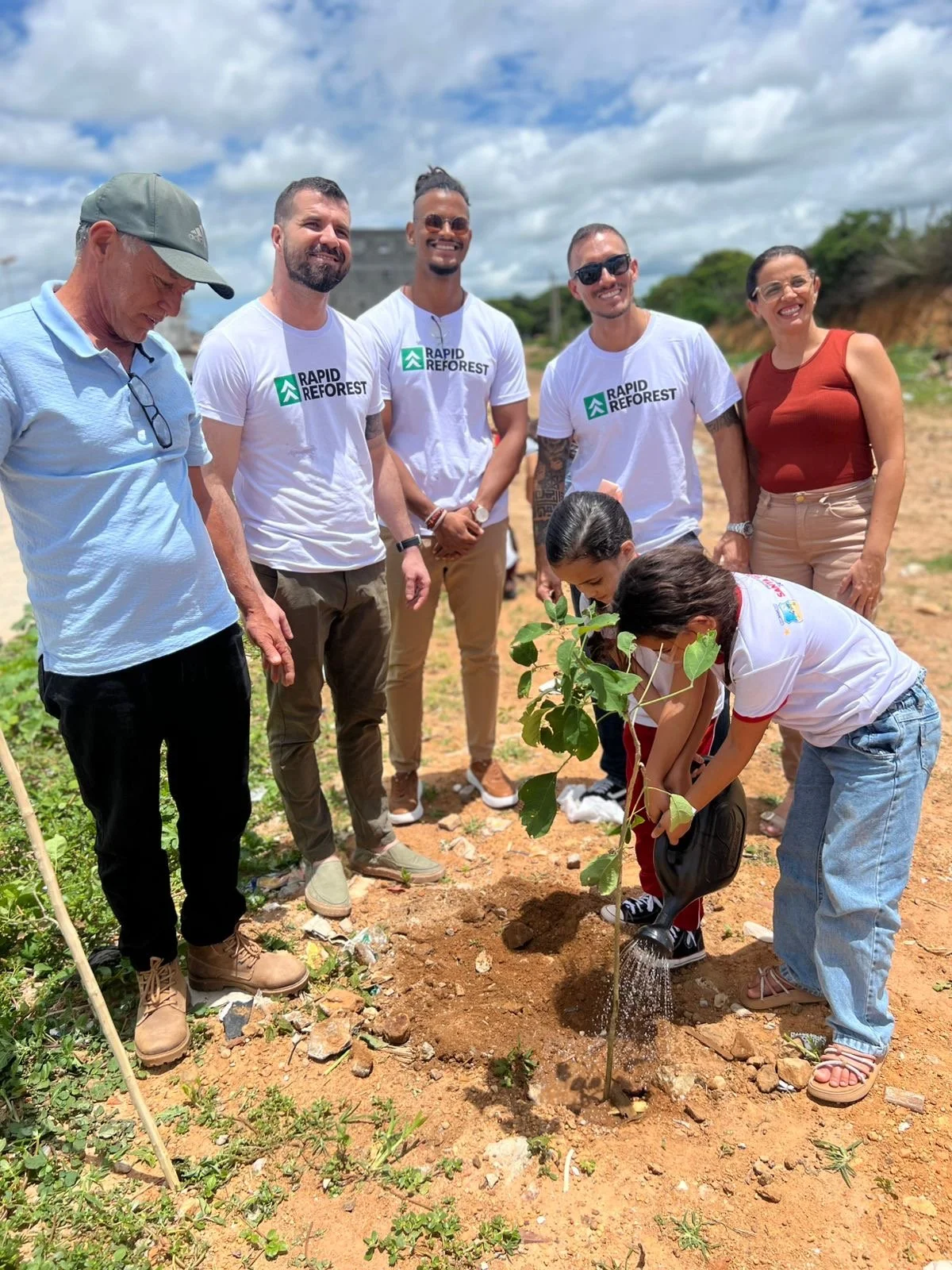
Why This Project Matters
Urban tree loss isn't just an aesthetic issue — it's a public health and climate issue. Paved-over neighborhoods lose shade cover, see higher local temperatures, and lose habitat corridors for birds, pollinators, and small wildlife that depend on urban green space to move through a city.
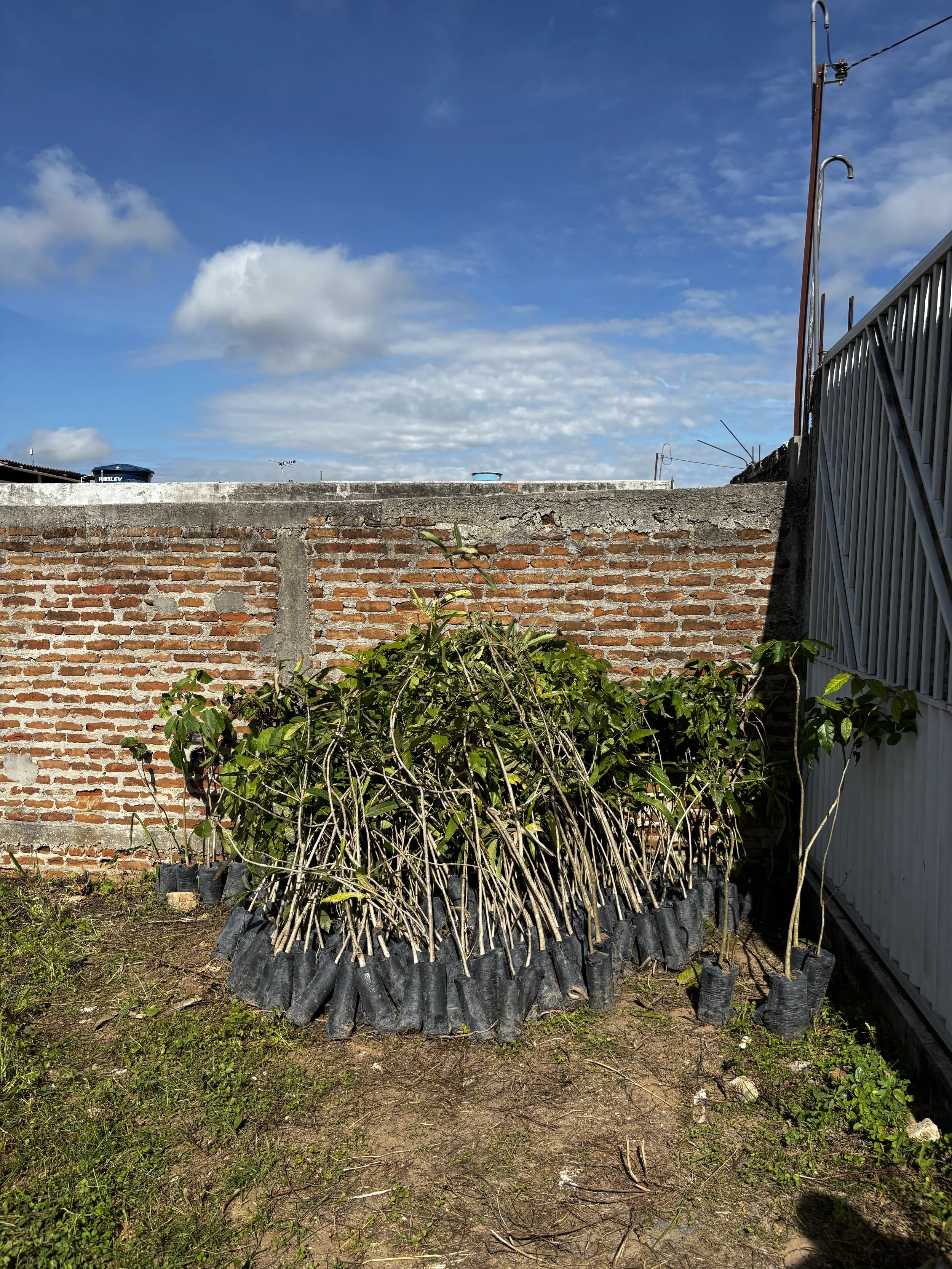
Our work in Santa Teresinha restores that canopy using native Atlantic Forest species, chosen specifically to thrive in the local climate and soil — not ornamental or commercial varieties, but trees that belong here.
Part of Something Bigger
Santa Teresinha isn't a standalone project. It's one piece of Rapid Reforest's growing footprint in northeastern Brazil, alongside our 88-hectare habitat restoration project in Paraíba, protecting critical range for the endangered capuchin monkey.
Projects like this one — grounded in native species, backed by a seed bank, and built in partnership with local communities — are also what position Rapid Reforest for long-term, sustainable funding: carbon credit revenue, biodiversity credit programs, and eventually larger-scale green financing that lets us take this work to more cities and more hectares.
Be Part of the Change
Measuring and offsetting your emissions is the first step toward a more sustainable future. With Rapid Reforest, your impact becomes a forest.